
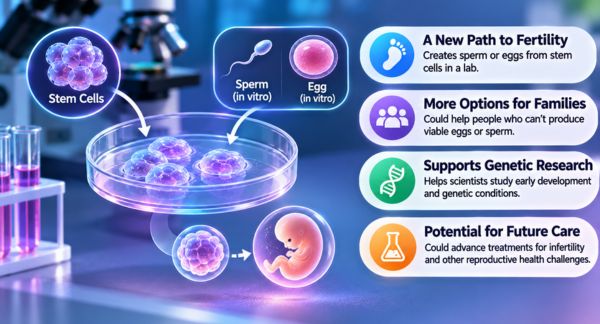
Scientists are exploring whether reproductive cells could one day be made in a laboratory. With in vitro gametogenesis, small details often explain more than the biggest claims. In vitro gametogenesis is research into producing gamete-like cells from other cell types in laboratory settings. This matters because people may encounter the subject through a short video without receiving the context behind it. A closer examination can separate the actual idea from assumptions that have grown around its name.
Getting familiar with in vitro gametogenesis
In vitro gametogenesis is research into producing gamete-like cells from other cell types in laboratory settings. Its place in the bigger picture depends on how consistently this process works. Knowing the method helps readers evaluate future updates more confidently. A clear account should show both the expected result and who has to verify it. A useful way to judge the topic is to compare the promise with what people can actually do today.
Scientists study whether cell reprogramming could expand understanding of reproductive biology. This makes it easier to judge usefulness without getting distracted by a long feature list. Different settings can produce very different outcomes. A smooth demo does not always reflect real-world conditions.
The opportunity for users
The research may eventually raise new questions about fertility science and treatment possibilities. Small everyday gains may matter more than a single dramatic demonstration. Businesses may discover better ways to respond to the people they serve. A strong claim is only useful when people can repeat the outcome. The right question is whether it solves a recurring problem without creating a more difficult one elsewhere. Readers do not need specialised knowledge to ask sensible questions. They can look at the goal, the claimed result and any limits described by the people behind it. These details make the discussion easier to follow.
Clinical safety, ethical review and legal regulation are major unresolved issues. Reliable information should explain what was actually tested and under which conditions. A compelling announcement is not always the same as an established result. Sensitive situations call for extra attention to accuracy and accountability.
What matters in the long run
What should readers watch for next with in vitro gametogenesis? Evidence of reliability, clearer examples and feedback from people using it outside controlled demonstrations. Good ideas should become easier to explain as they mature. Their strengths should also be visible without hiding limitations. Until then, thoughtful curiosity is more useful than a rush to make big claims.