
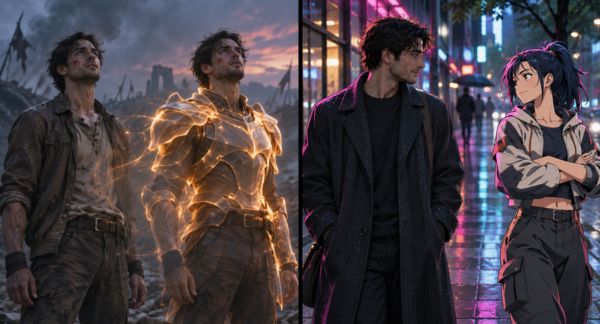
Creators often move between several tools while making one video. An image may begin in a design platform, a moving clip may come from an AI generator and the final result may be edited somewhere else. RepuNEXT TV’s Freepik reel looked at a change in that workflow: access to Seedance 2.0 within Freepik’s creative environment. The announcement followed an earlier Higgsfield demonstration, so the question was not whether AI video could look impressive. It was how having another route to the same kind of generation might affect everyday creative work.
An Idea Is Easier to Test When Tools Sit Together
A platform that brings images, design assets and AI video options into one place can reduce the time spent moving between services. A creator might work out a visual direction, prepare reference material and test a short scene without rebuilding everything from the beginning. That convenience matters when a deadline is close. It does not, however, guarantee that each generated clip will match the original idea. Prompting still takes thought, and different models may respond differently to similar instructions. Testing before committing to a full project remains a good habit.
The Reel Put Cinematic Effects First
The video included a battlefield transformation into a glowing superhero-style character. It also showed an unusual hybrid scene combining anime-like visuals with live-action elements. These examples highlighted two directions that are difficult to capture with ordinary filming: dramatic character transformation and a deliberate mixture of visual styles. Both require careful decisions about movement, lighting and continuity. When one shot looks realistic and the next appears animated, that change should feel intentional. Otherwise, the audience may focus on the mismatch rather than the story.
Keep Rights and Workflow in Mind
Using generated material commercially requires more than producing a good-looking video. Creators should review the platform’s current licence terms, the rights attached to uploaded images and any restrictions associated with a chosen model. It is also important to consider whether a generated character looks too much like a real person without permission. A sensible workflow begins with a clear concept, uses references responsibly and saves the prompts and settings that produce useful results. That record makes it easier to revise the project later.
More Choice, Not Less Creative Work
Freepik’s role in the reel was to give creators another place to explore AI-generated video. The real advantage will depend on the project, the model’s output and the total effort required to finish it. Some scenes may be quick wins; others will need several attempts and substantial editing. Rather than judging a platform by one striking demonstration, try it with the type of work you actually produce. A good tool should make the creative process more manageable while leaving room for your own decisions.