
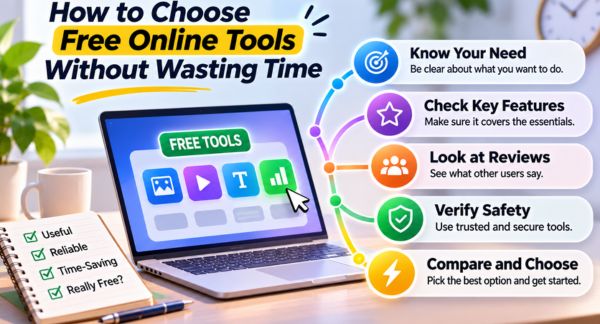
A free online tool can save money, but only if it does the job and handles your data responsibly. The story of free online tools, however, becomes more interesting when we look at everyday use. Free online tools can help with writing, images, files and everyday productivity tasks. Rather than focusing only on dramatic demonstrations, it helps to understand the people, decisions and practical problems involved. That gives readers a clearer starting point for judging what matters.
The technology in plain language
The technology makes more sense when we identify its actual job. Free online tools can help with writing, images, files and everyday productivity tasks. Different users may get very different results, even when they are working with the same tool. A name on its own cannot explain whether the experience is genuinely useful. The details of inputs and outputs can reveal whether a tool fits the intended task.
What everyday use can look like
A student may use a converter or transcription tool without needing a full paid software suite. The example also brings the discussion closer to familiar routines. Whether it works well often depends on the conditions around the user. What looks effortless in a presentation can be more complicated during everyday work.
Why people are interested
Small utilities can save time when they solve one clear problem reliably. Saving a few minutes on something you do every day can add up. For teams, it may also affect how tasks are divided and checked. You often learn more after a week of use than after five minutes of testing. The right question is whether it solves a recurring problem without creating a more difficult one elsewhere. That perspective keeps the conversation tied to experience rather than promotion. Before accepting a broad claim, check its scope, intended audience and any stated conditions. Small distinctions can change what a result actually means.
Check privacy policies, upload limits and hidden subscription conditions. The strongest explanations make it clear where documented features end and predictions begin. Readers should watch for the gap between a prototype and a reliable public release. When personal information or important decisions are involved, caution matters.
Where things stand
As conversations about free online tools continue, it is worth keeping ordinary users at the centre. They need tools or ideas that fit real circumstances, not only ideal conditions. Ask what a typical person could do differently tomorrow and what they would still have to check. Those simple questions often lead to a more useful answer than any prediction about the distant future.